
What's a zero day?
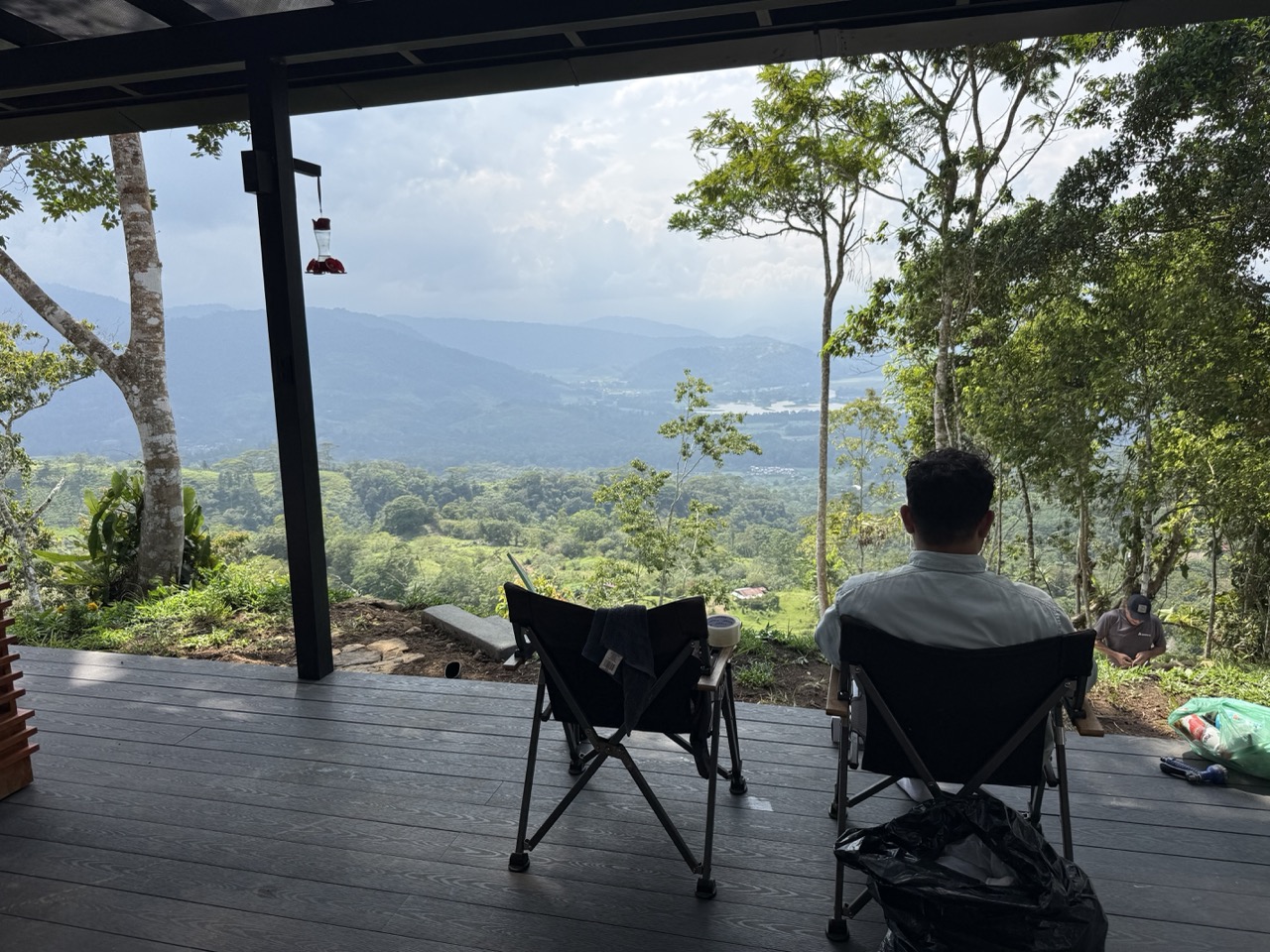
A zero day is exactly what it sounds like. You hike zero kilometers and spend another night at the same accommodation.
On long backpacking trips, zero days are a good opportunity to rest, do laundry, resupply, or take advantage of something nearby. Maybe that's a rafting trip, a visit to town, or simply doing nothing for a day.
Most hikers plan their zero days ahead of time, but not all of them. Sometimes your feet are hurting, the weather isn't cooperating, or you find a place you like and decide to stay another night. Spur of the moment zero days are much more common on hikes without reservations or a set itinerary.
What about near-zero days?
A near-zero day is when you hike a short distance, usually just a few kilometers, and call it a day. You still make some progress along the trail but give yourself most of the day to rest.
Zero days on the Camino
Most commercial guided groups hiking the Camino de Costa Rica don't take zero days. They're working with a set itinerary and generally get back on the trail every morning.
Self-guided hikers have a little more flexibility. Zero days are still relatively uncommon, but we're seeing more hikers build them into their itineraries, especially as they learn about some of the better places to spend an extra night.
Here are a couple worth considering.
Where to take a zero day
The Hiker House
The Hiker House is a good spot to take a zero day, particularly after coming through the indigenous section.
There's free laundry, a comfortable bed, and dinner and breakfast are included. After several days on the trail, having a chance to wash your clothes and get cleaned up is a welcome change.
Turrialba is about 20 minutes away by bus or Uber if you need to resupply or want to head into town for a meal. Large grocery stores, ATMS are available here.
There's also plenty to do in the area if you're not interested in sitting around all day. Rafting, canyoning, chocolate and coffee tours, and visits to Turrialba Volcano are all options. That said, most hikers are pretty happy just taking a day off.
The pricing also makes staying an extra night more affordable. The first night is $70 per person, with additional nights at $50 per person, including meals.
El Copal Finca Ecológica
Perhaps the most famous place for bird watching on the hike, El Copal is a great zero day if your hiking the trail for bird watching.
Hotel Río Perlas Spa and Resort
If you're looking for a little more relaxation, Río Perlas is another option.
The resort has thermal pools and spa facilities, making it a good place to spend an afternoon doing very little. It's on the more expensive side at around $140 per night, but could be worth it if you're looking for a break before the next section.
Where hikers tend to skip zero days
There are a few parts of the Camino where zero days are less common.
At the beginning. Most hikers are fresh, excited to get started, and ready to cover some ground. Taking a day off this early usually isn't a priority.
Near the end. Once hikers get closer to the Pacific, there's generally more motivation to keep moving and finish the trail.
Places without much nearby. If there's no laundry, no opportunity to resupply, and not much to see or do, there's usually little reason to spend an extra night unless absolutely necessary.
Planning a zero day
If you're building a zero day into your itinerary, think about where you'll get the most out of it.
For many hikers, the best place is right after the Cabécar Indigenous Territory. You've covered a good amount of ground, your clothes could probably use a wash, and a comfortable bed and a decent meal start looking pretty appealing.
The nice thing about hiking the Camino independently is that you're not locked into a fixed schedule. If you find somewhere you want to stay another night, you can.